
Municipal waste management: separation starts at home
“It is at the source, in each of our homes, that we need to do things differently.”
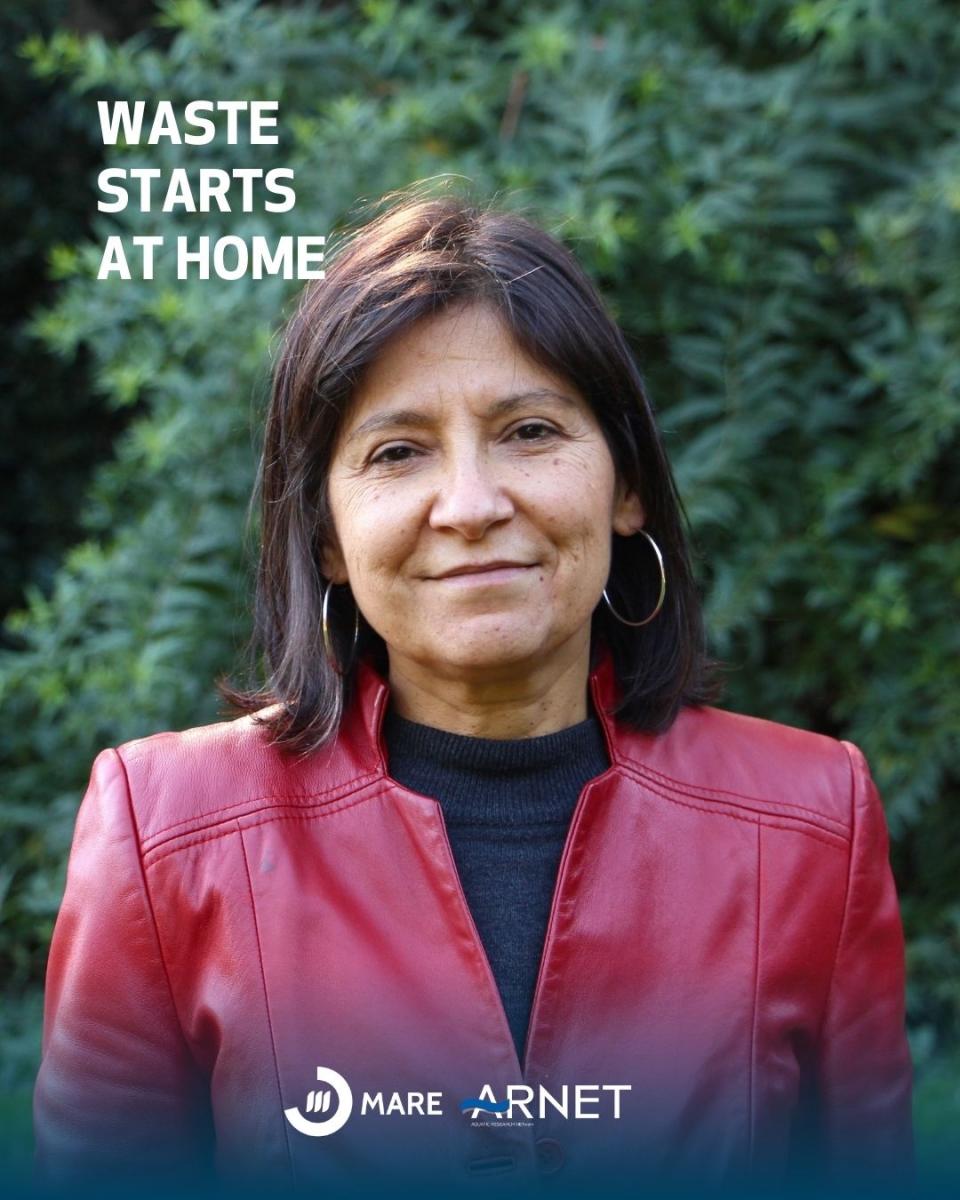
This was how Ana Silveira, researcher at MARE/ARNET and professor at NOVA FCT summarised the central message of the debate during the 4 February 2026 episode of Sociedade Civil, broadcast by RTP.
The programme brought together José Pimenta Machado, President of the Portuguese Environment Agency, Marta Neves, CEO of EGF – Empresa Geral do Fomento, S.A., and Ana Silveira to discuss an issue that has moved beyond being purely environmental and has become structural: the country’s capacity to manage its waste within the context of demanding European targets and limited landfill capacity.
Portugal produces around 1.5 kg of waste per person per day, more than 500 kg per year. In total, this exceeds 5 million tonnes annually. Around 60% is still sent to landfill. In several systems, the remaining landfill capacity is estimated at five to six years.
At the same time, the country must achieve 60% recycling by 2030 and reduce landfill disposal to 10% by 2035. The gap between the current situation and these targets is evident.
During the programme, Ana Silveira addressed a recurring misconception: the idea that even if waste is placed in the mixed container, separation will be carried out later at treatment facilities.
From a technical perspective, this assumption has clear limits. When packaging waste is mixed with food waste, it arrives at treatment plants contaminated. Even if it is subsequently sorted, the resulting material is of lower quality and lower market value. Producing plastic with the same original characteristics becomes unfeasible. The process becomes more costly and less efficient.
Today, a large proportion of waste still ends up in the so-called “black bag.” Without improving separation at source, it is difficult to consistently increase recycling rates.
The discussion extended beyond separation. The researcher emphasised that the issue begins at the point of consumption. A significant share of household waste consists of food leftovers and packaging with a very short lifespan. Reducing disposable consumption, choosing reusable alternatives, and improving food management at home directly impact the volume of waste generated. Recycling is necessary. Reducing remains essential.
The role of municipalities was also highlighted, particularly in the collection of biowaste. Proximity to citizens can facilitate the implementation of solutions adapted to local contexts and strengthen public engagement.
Ana Silveira also stressed the importance of monitoring system performance and communicating results clearly. Regular waste characterisations enable the identification of weaknesses and the adjustment of strategies accordingly.
The debate led to a straightforward conclusion: waste management does not depend solely on infrastructure or technology. It depends on daily decisions taken at the source.
Separation starts at home.
Text: Vera Sequeira
Image Sociedade Civil