
MARE researcher in Expresso warns of the urgent need to strengthen coastal resilience through community involvement
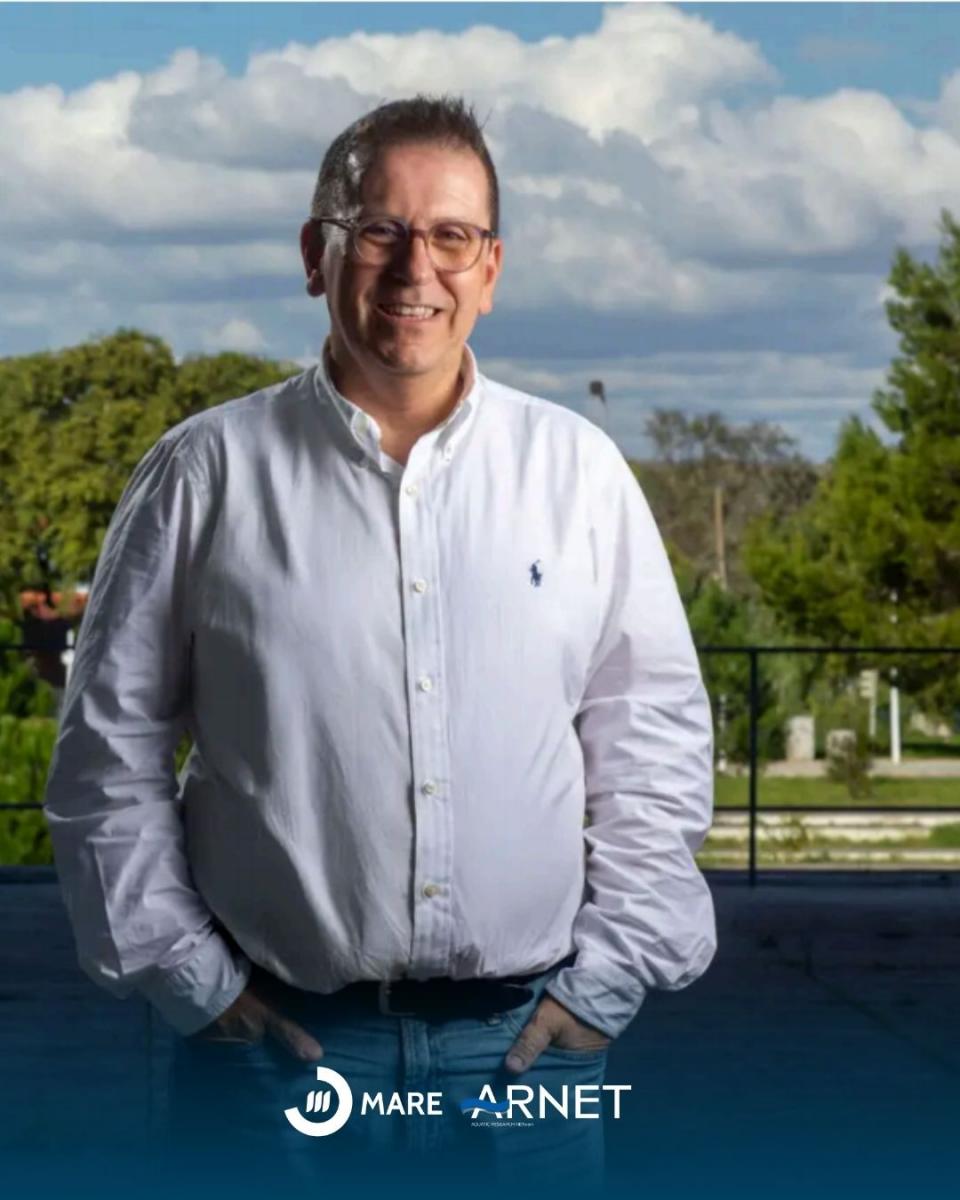
It is urgent to strengthen coastal resilience through the active involvement of communities in the co-construction of policies, strategies, and prevention and adaptation actions.
The warning comes from José Carlos Ferreira, a researcher at MARE/ARNET at NOVA FCT, and coordinator of RISCO – Centro de Estudos de Avaliação e Gestão de Risco Ambiental e Proteção Civil, in an interview with Expresso on 23 December 2025.
The researcher stresses that Portugal remains highly vulnerable to disasters and extreme events in a context of increasingly severe climate change and calls for a paradigm shift. This means moving away from a focus on disaster response and towards greater planning, shared responsibility, and risk literacy, with citizens involved as active agents of civil protection. Building with people and for people is urgent to reduce risk and vulnerability to different hazards.
In this context, RISCO is a knowledge transfer centre focused on coastal communities, developed through a partnership between MARE NOVA and NOVA FCT, with the Laboratório Nacional de Engenharia Civil and the Câmara Municipal de Almada. The centre aims to promote links between science, planning, civil protection, and public policies at the local scale. Its goals include increasing risk literacy, working on risk perception to strengthen community resilience, and co constructing prevention and adaptation strategies by people and for people, bringing scientific knowledge closer to the concrete needs of the territory.
The interview also highlights examples of place based work with municipalities and communities, such as the Costa da Caparica Ocean Community Living Lab in Almada, and the Centro para a Sustentabilidade do Mar e Zonas Costeiras in Torres Vedras. It argues that the effectiveness of measures depends on continuous on the ground processes, capacity building, and informed participation, which are essential conditions for reducing vulnerabilities and improving responses to coastal and urban risks.