
III Mares Circulares Meeting highlights environmental education, innovation and new results from the CavalSado Project
MARE attended the III Circular Seas Meeting, where it presented the latest results of the CavalSado project and reinforced the role of research in protecting estuarine ecosystems. 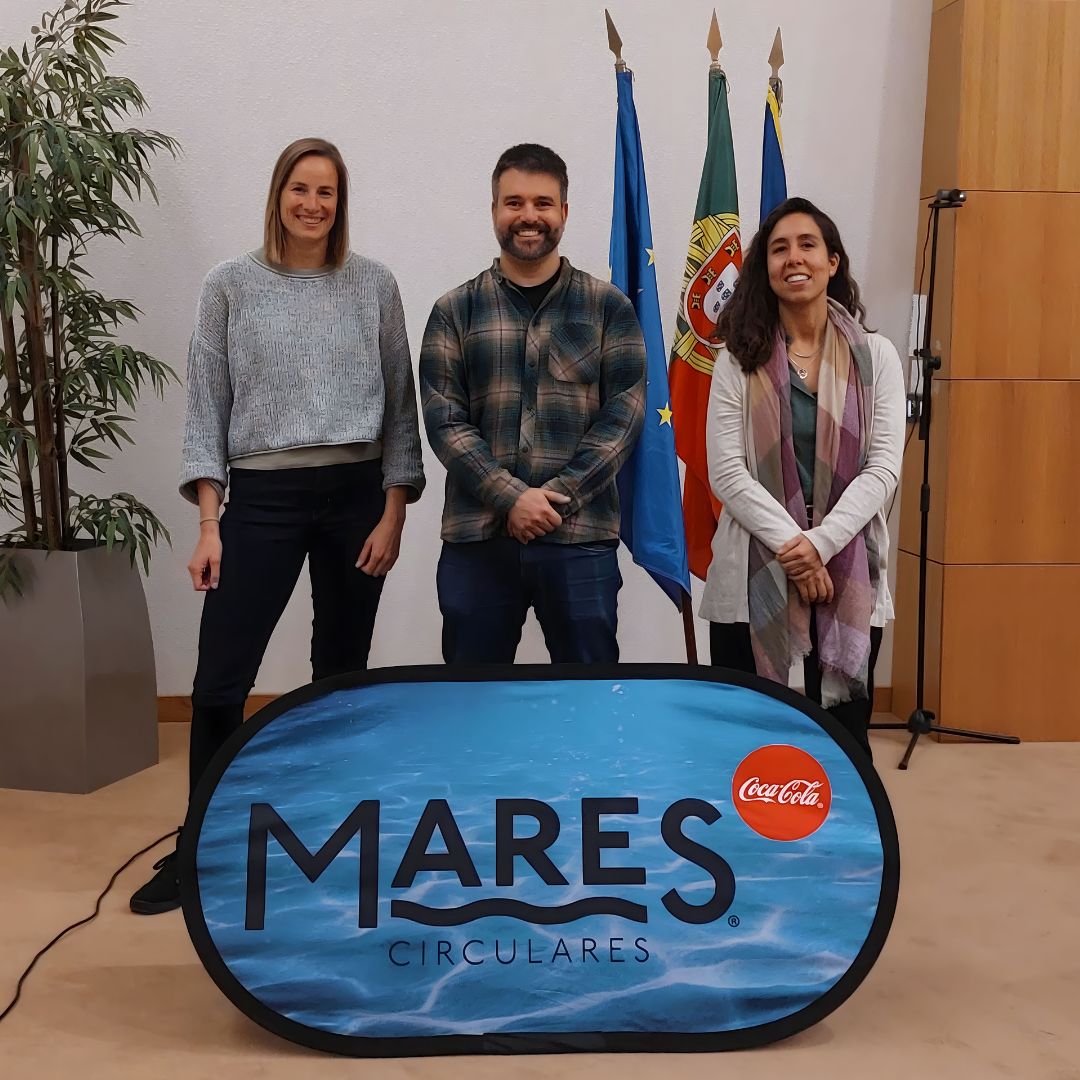
On 4 December, the Seixal Cultural Forum hosted the III Mares Circulares Meeting, bringing together researchers, schools, companies, local authorities and environmental organisations to present results, promote ocean literacy and reinforce the work carried out to reduce marine litter. The meeting highlighted the importance of collaboration between science and education.
One of the highlights was the award ceremony for the two categories that make up the programme: the Mares Circulares nas Escolas (Circular Seas in Schools) competition, which recognises educational projects promoting awareness and creativity carried out by middle and high school students, and the 8th edition of the Mares Circulares Awards, which recognise innovative circular economy solutions and environmental research and technology initiatives. These awards celebrate the growing involvement of young people, academic teams and local partners in transforming behaviours and seeking sustainable solutions for the environment.
Researcher Gonçalo Silva, from MARE/ARNET at NOVA FCT, presented the results of the first year of the CavalSado Project. The project, funded through the annual call for research support from the Mares Circulares programme, is coordinated by LPN in partnership with MARE, MarDive, ICNF and Setúbal City Council and aims to characterise seahorse populations in the Sado estuary and identify threats such as marine litter, habitat loss and human pressures.
According to the data collected, it was possible to ascertain that there are a greater number of individuals observed in Soltróia and that greater diversity was recorded in Marina de Tróia, albeit with reduced abundances. These results are fundamental for locating priority conservation areas and strengthening knowledge about the ecology of these indicator species. The main threats identified were also presented, including marine litter, lost fishing gear, dredging, underwater noise and climate change. The project also has a strong educational component, with activities in schools, participation in events and broadcasts of dives that brought the biodiversity of the Sado to thousands of children.
The III Circular Seas Meeting demonstrates how the articulation between applied research, innovation and environmental education can have a real impact on the protection of ecosystems. MARE's participation reinforces the importance of science in defining sustainable strategies for the conservation of estuarine biodiversity.
Written by Vera Sequeira