
MARE researchers featured at the National Ecology Meeting
Researchers from MARE attended the 24th National Ecology Meeting (24th ENE), which took place between November 20 and 22 at the Faculty of Sciences of the University of Lisbon (Ciências ULisboa). 
Organized by the Portuguese Society of Ecology (SPECO) in partnership with the MARE/ARNET and CE3C/CHANGE research centers, the meeting brought together the national community of ecologists to discuss the current challenges of ecology, conservation, and planetary health. In the opening session, Ricardo Melo, coordinator of MARE-ULisboa, highlighted the strong presence of young people in the audience, which indicates that, after all, “we are not always the same,” something he considers a source of great enthusiasm.
Over the course of three days, dozens of MARE researchers took to the stage to present the research they have been developing. Among them was Vanessa Fonseca, a MARE/ARNET researcher at Ciências ULisboa, who played a prominent role in the event as a guest speaker, presenting one of the four keynote lectures. Her presentation, dedicated to emerging challenges in coastal ecosystems, highlighted the accumulation of contaminants and the increasing introduction of invasive species as the main anthropogenic pressures that have been affecting these ecosystems. According to the researcher, these changes have consequences for the structure and functioning of ecosystems, with a direct impact on food security and, consequently, on human health itself.
The program also featured presentations by Rui Rosa and Bernardo Duarte, researchers and professors at MARE/ARNET in CIÊNCIASat ULisboa. Rui Rosa presented his work on the study of global patterns of cephalopod strandings—episodes in which squid, cuttlefish, or octopus wash ashore and become immobilized—using a citizen science database with 26 million records. From this data, the researcher identified locations in various regions of the globe where these events occur on a large scale (so-called hotspots) and discussed potential causes, which can range from storms to thermal anomalies and variations in ocean currents.
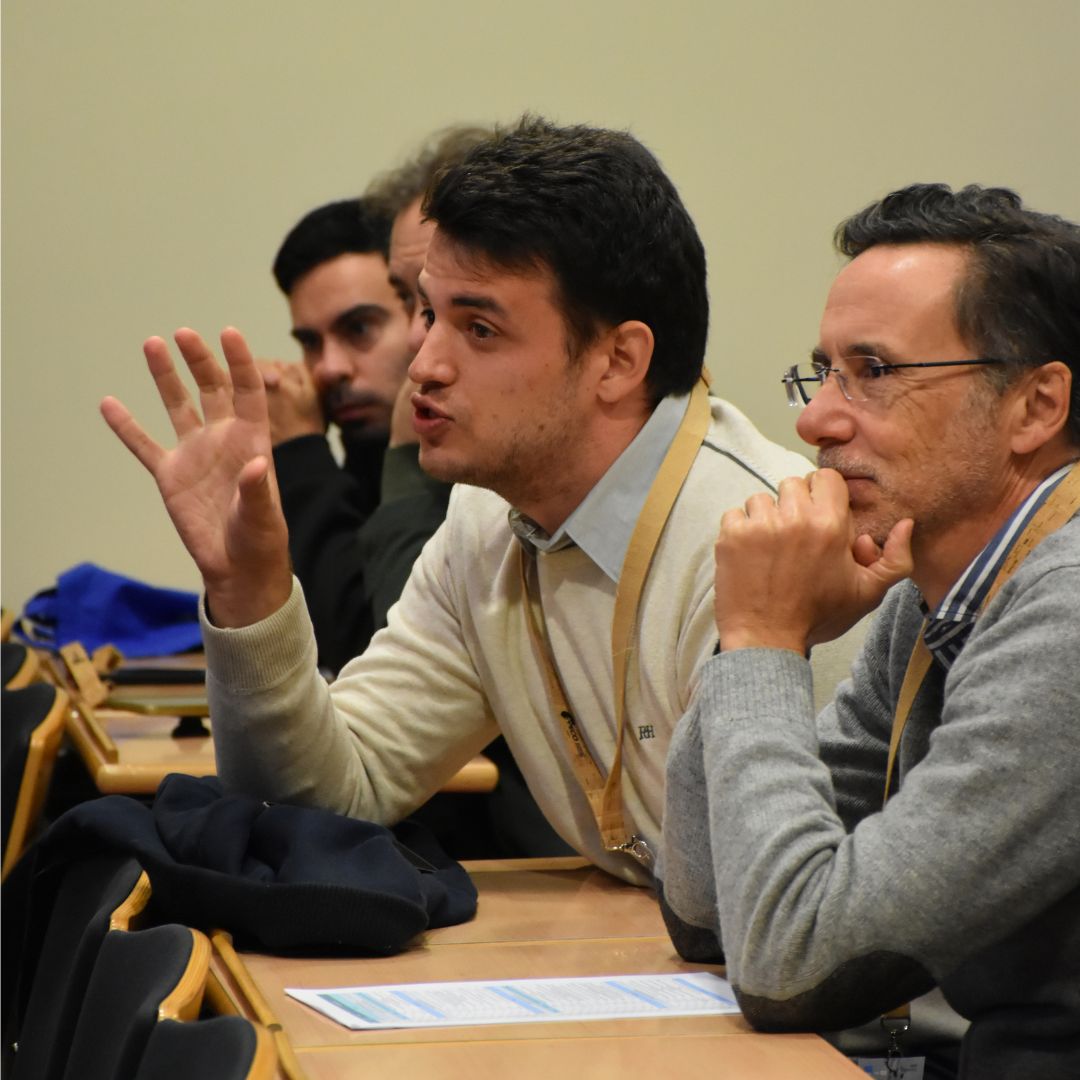
Bernardo Duarte showed how artificial intelligence (AI) is being used to respond to ecological and planetary health challenges, explaining how he has been training AI tools for various applications, including the automatic recognition of invasive species from photographs and the traceability of food products, thus helping to combat food fraud and support decision-making processes. “The larger the sample, the better the tool,” said the researcher, highlighting the importance of extensive data sets to improve the performance of these models.
In addition to the lectures and presentations, the meeting was also marked by the recognition given to several MARE researchers. Afonso Ferreira, awarded the 1st Doctoral Prize in Ecology in 2025 by SPECO for his thesis on the response of phytoplankton to climate change in the Antarctic Peninsula, officially received his diploma at the closing ceremony of the 24th ENE. The young researcher combined satellite, laboratory, and field data to improve the monitoring of ongoing changes in the Southern Ocean.
Researcher José Ricardo Paula, who received the Early Career Support Fund in 2020, was invited by SPECO to present the impact of the award on his professional career. The researcher showed what he was able to develop with the financial support he received and highlighted the importance of this recognition for young scientists at the beginning of their careers. “Being recognized as having the best scientific research initiation project or the best doctoral thesis in ecology in our country carries a lot of weight abroad and helps us compete for positions in international institutions,” he said.
The award for best oral presentation at the event went to researcher João Grave, also from MARE/ARNET at ULisboa Sciences. His work, carried out on coral reefs in the Caribbean, shows that the presence of cleaner gobies—small fish that remove parasites from other fish—influences the abundance and behavior of herbivorous fish, which play an essential role in removing the algae that have been threatening the reefs. The research shows that, in the absence of these gobies, herbivore populations decline and become more cautious, reducing algae removal.
MARE's participation once again revealed the diversity and scope of the research carried out at the center, ranging from marine ecology to biological invasions, ecotoxicology, microplastics, symbiosis, food traceability, coral reefs, and the impacts of climate change. This prominent presence in the event program reinforces MARE's role as a national reference in ecological and marine research.
Written by Joana Cardoso